Our story

We grow a few different things on the same fifty acres.

Crestview Orchards is a young farm in Chatsworth, Georgia — fifty acres of mobile chicken coops, a young chestnut orchard, and pasture that gets a little better every year. This page is the short version of how we got here and why we do it this way.

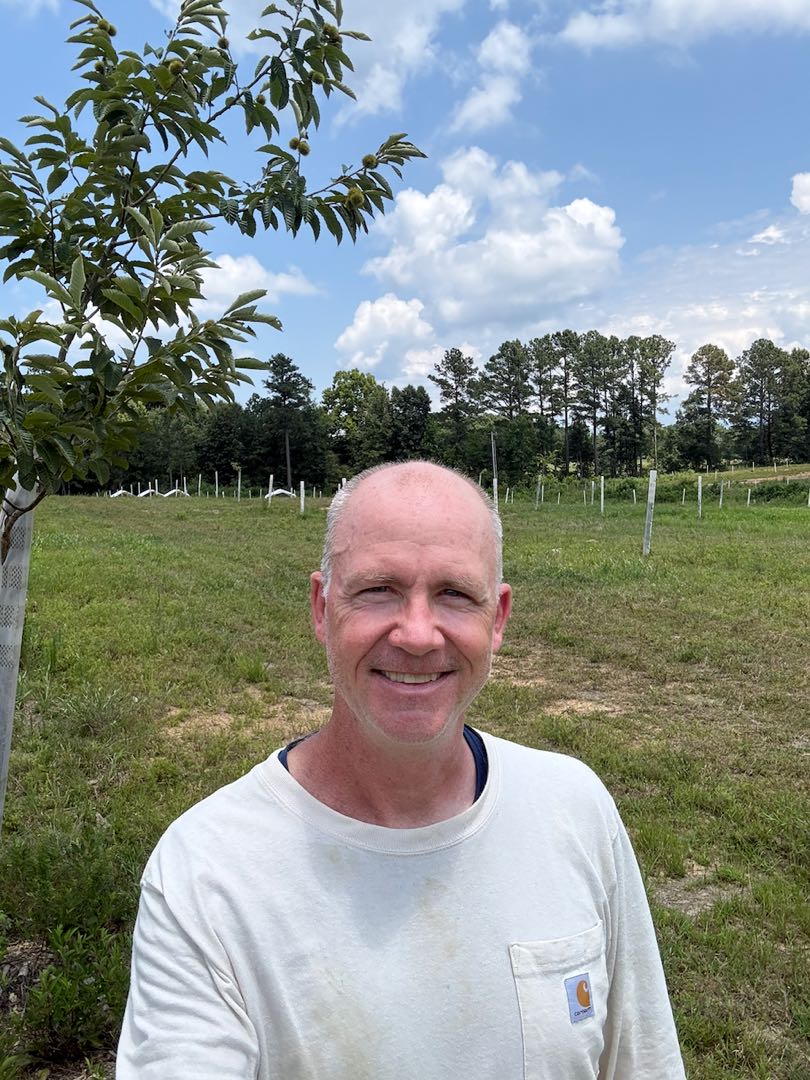
Young chestnut sapling in a tree tube in the orchard row

🍒 The chestnut half — a five-year startup

The chestnuts are the patient side of the farm. Chinese chestnut trees from the best genetics, planted in long rows, each one a quiet bet on a tree that takes years to come into its own.

This fall will be our first real harvest. The branches up top are carrying green burrs — those are the chestnuts in progress. By September, they'll be ready to pick.

~5 yrsto first burr
2.5 miof tree rows
Oct '26first harvest
Then there are the chickens

Two breeds, raised the same slow way.

Single Cornish Cross broiler chicken on pasture

Cornish Cross

The classic · Ready in ~8 weeks

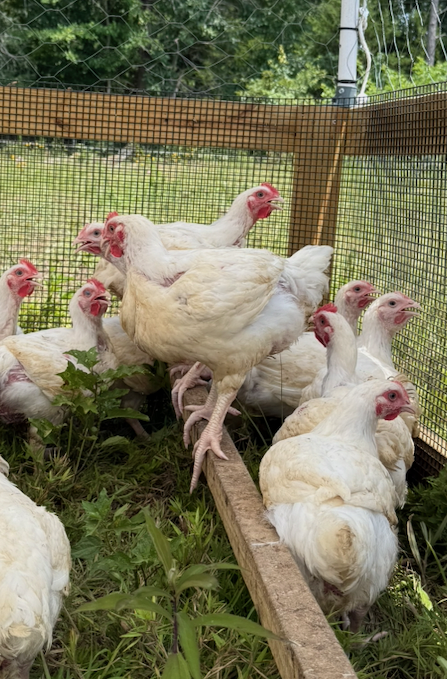
A white, broad-breasted bird — the one most people picture when they say "Sunday roast chicken." Tender, mild, the bird your grandmother would recognize. Finished on pasture with non-GMO feed.

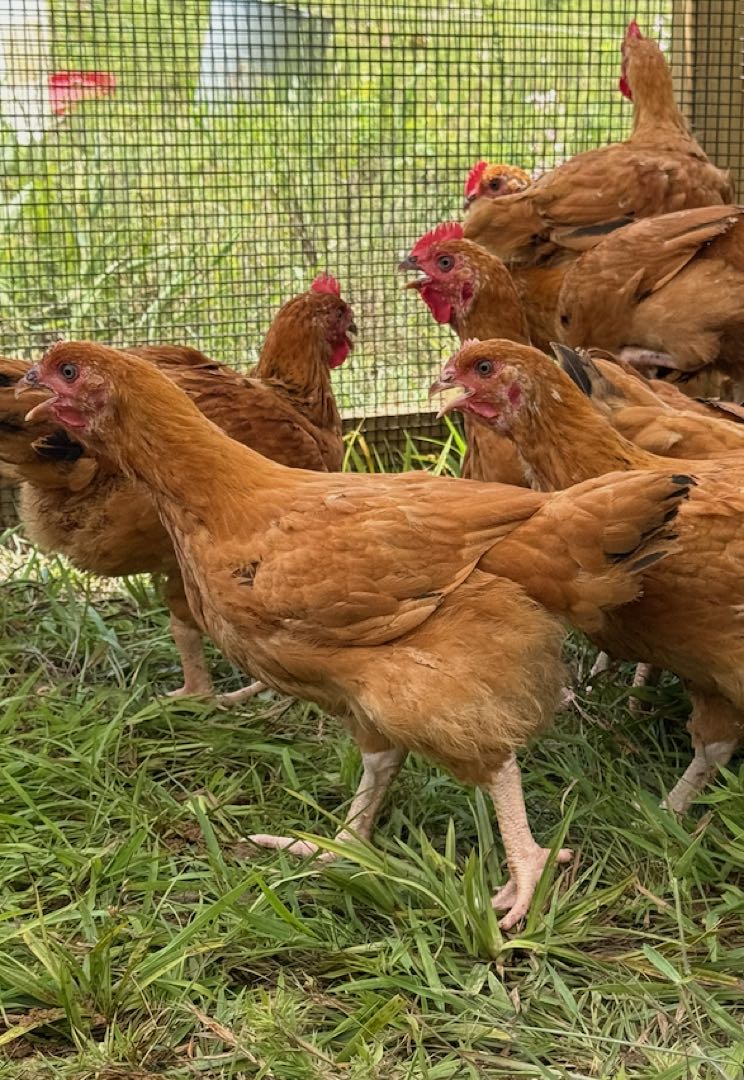
Single Freedom Ranger broiler chicken stepping forward on pasture

Freedom Ranger

The heritage pick · Ready in ~11 weeks

From the same family of breeds that built France's Label Rouge program — the 60-year-old French quality standard for pasture-raised chicken. We raise them to ~11 weeks (versus ~8 for Cornish Cross) because the extra time on pasture is what gives them their flavor: more dark meat, firmer texture, and a taste closer to what chicken was before the supermarket era.

This isn't the bird for everyone. It's the bird for people who already cook — who care how a roast browns, how the dark meat pulls off the bone, how a bird tastes before you put anything on it. If that's you, you'll never go back. The other bird on this page is the easier, milder pick — this one is for cooks.

The chickens fertilize. The grass regrows. We move the coops. The cycle starts again.
— How the two halves fit together
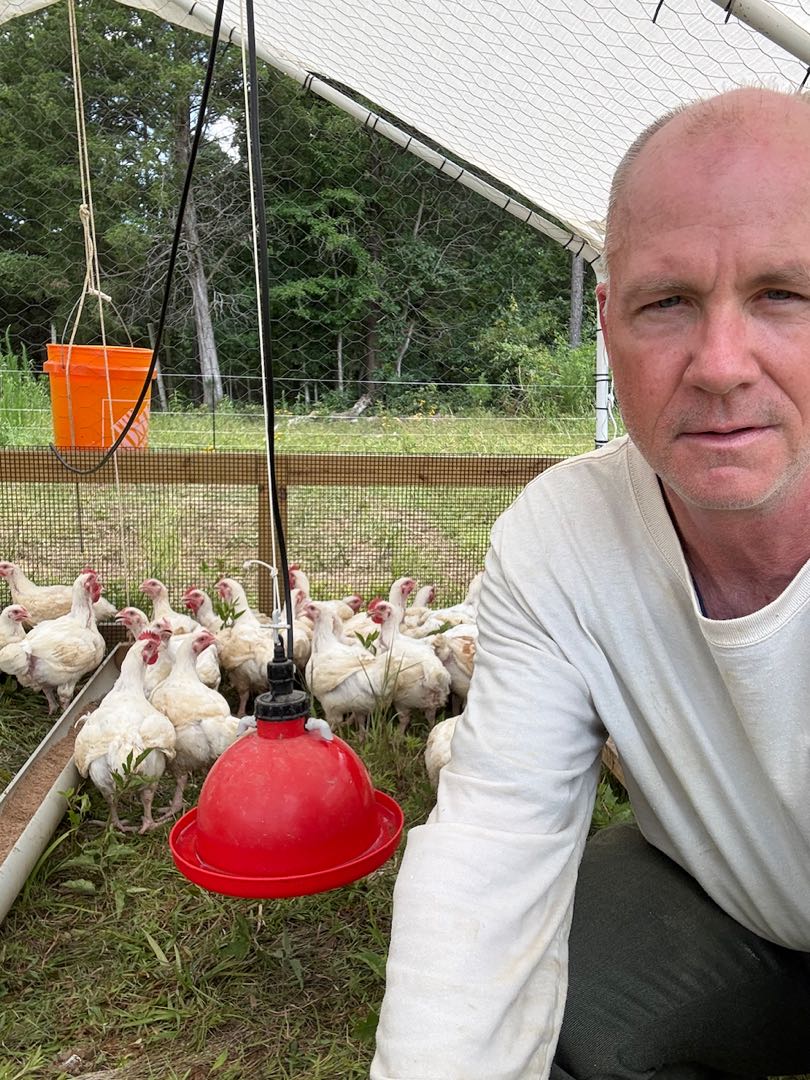
Rolf inside a chicken tractor with Cornish Cross birds

🚜 Every morning, we move the coops.

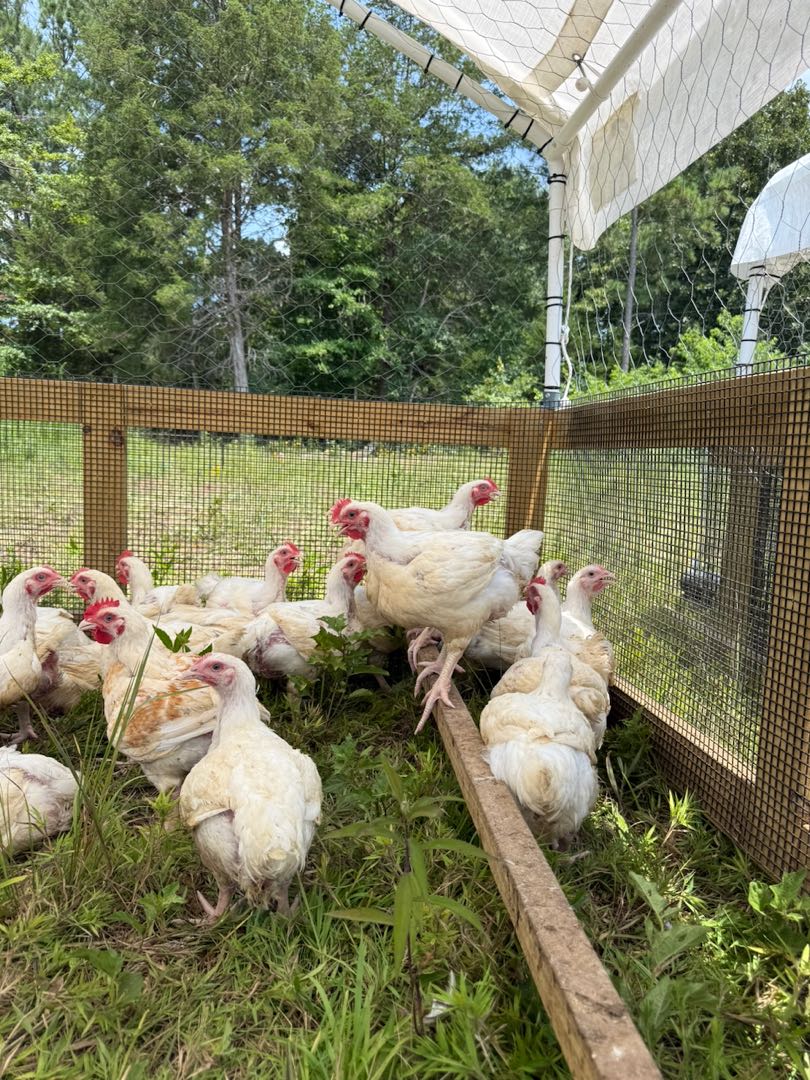
It doesn't sound like much — a few feet forward onto fresh grass. But that's the whole trick. The birds get new bugs, new greens, new ground under their feet. The old paddock gets a few weeks to regrow. We start over.

Non-GMO feed from Tucker Milling in Alabama. We don't move fast, but the chicken is better for it — and so is the grass underneath.

~40 ftper morning
8–11 wkon pasture
100%non-GMO feed
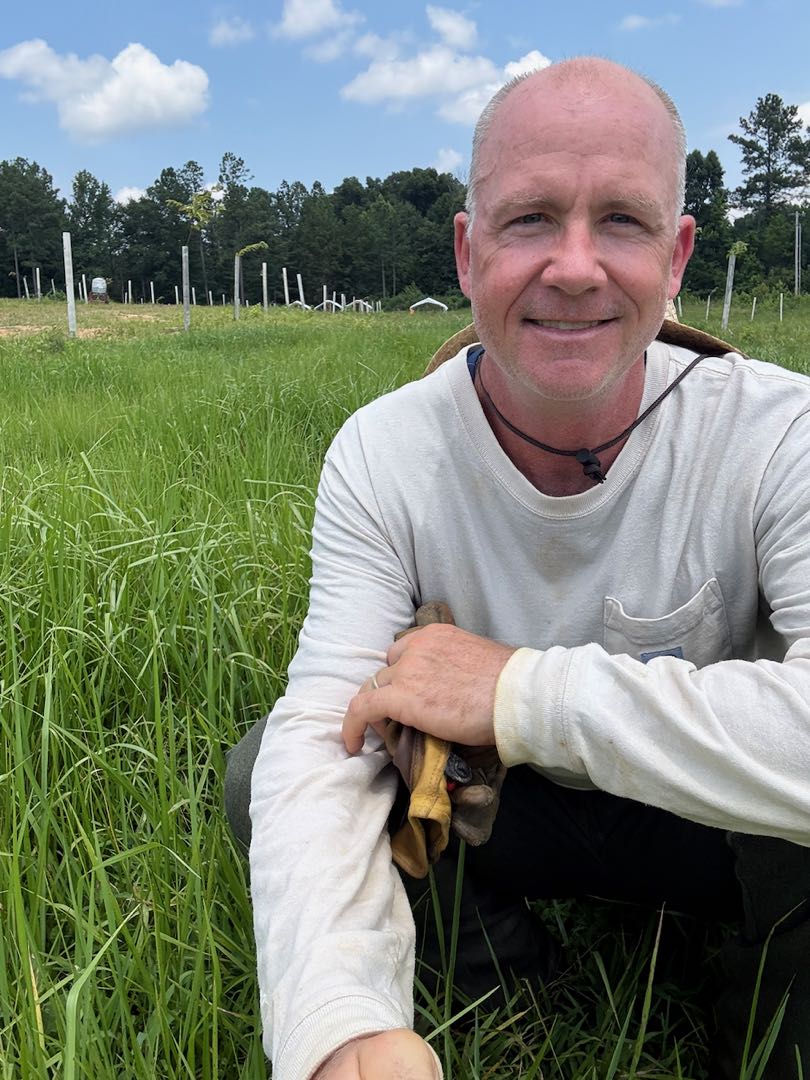
Rolf with work gloves standing on well-kept pasture

👤 Meet the farmer

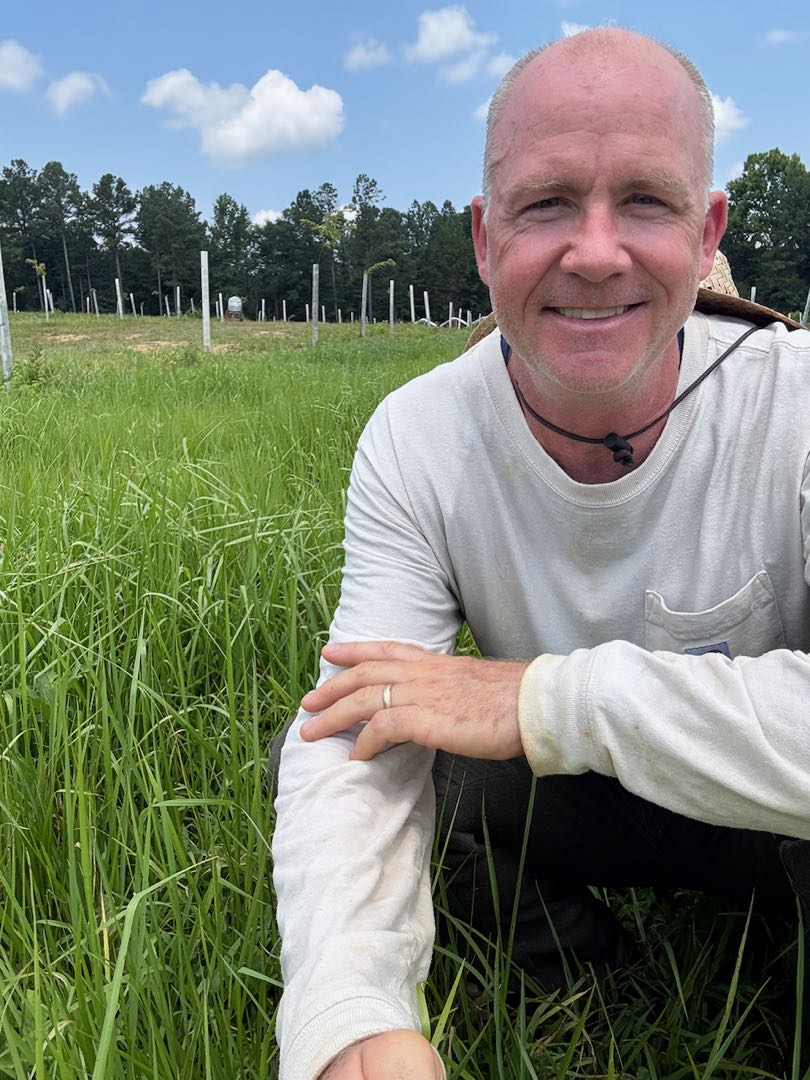
Crestview Orchards is a family operation, with help from family on busy days. I'm Rolf. I was new to farming five years ago, and before farming I was an officer on a US Navy submarine, and an engineer in multiple industries.

This farm is the slow version of what I think a farm should be: small enough to know every animal, big enough to grow a real crop. If you drive past the road you'll see the chicken tractor in between the chestnut tree rows, with pine trees in the distance — and that's the whole place.

If you have questions about how we raise the birds, how the chestnuts are coming along, or whether we're a good fit for what you're cooking this week — give me a call. Texting is just fine too.

— Rolf · 404-590-4748
More from the farm

Bird's eye, ground level, co-op, orchard.

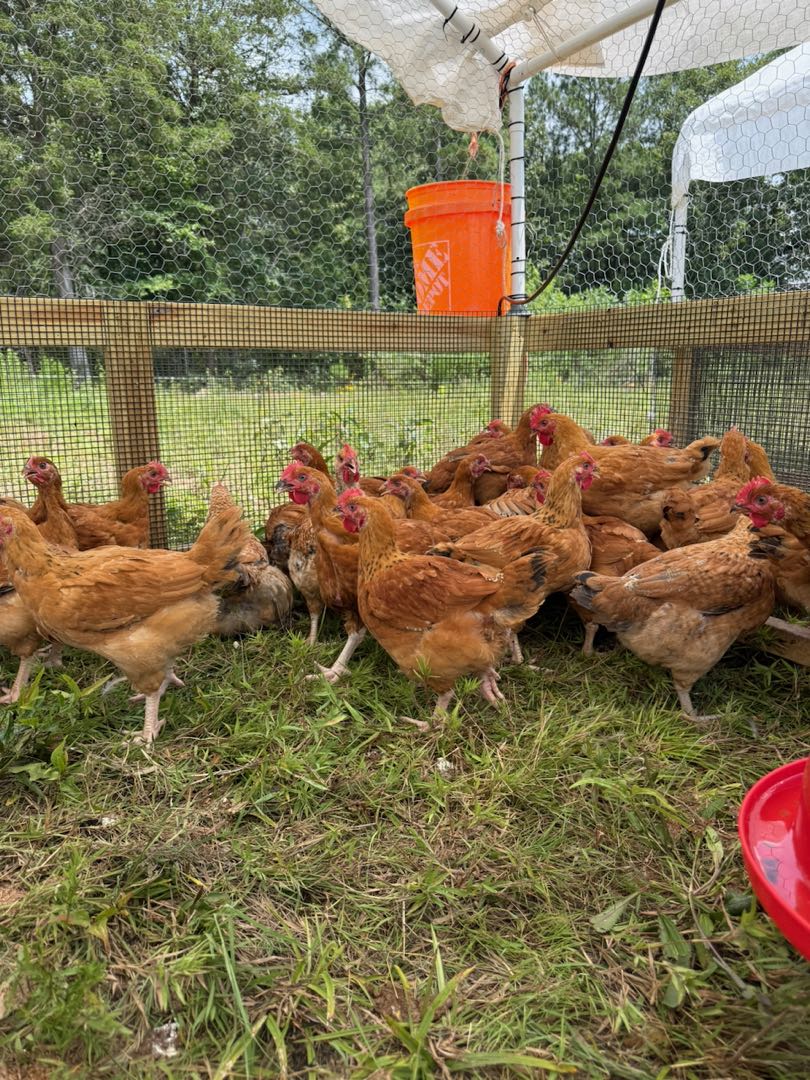
A few extra frames from this season — the flock, the coops, and the morning walk-throughs.

Group of Freedom Ranger chickens on pasture
Cornish Cross broiler chickens inside a mobile coop
Rolf inside a chicken tractor with Cornish Cross birds
Rolf on pasture regrowth behind the chicken coops
A short look around

See the coops, the orchard, and the birds.

Want to taste how it all turns out?

The store has current inventory — pick a date, choose your birds, and we'll have them ready.

Order at the Store →